
AV Case Study: Our Wondrous Planet, Melbourne Museum
Epson projection helps bring living ecosystems to life at Melbourne Museum’s largest permanent exhibit.

29 September 2026
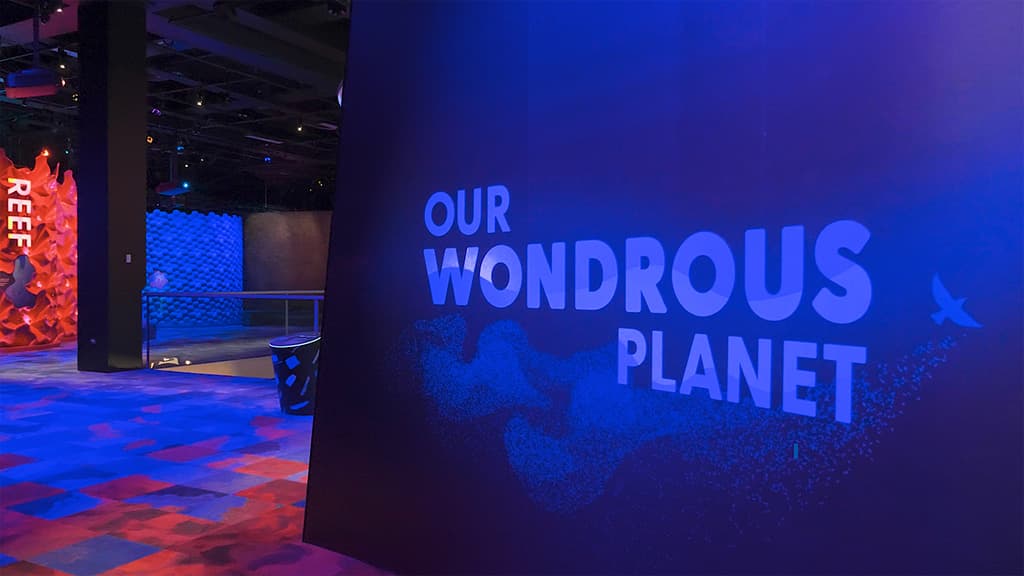
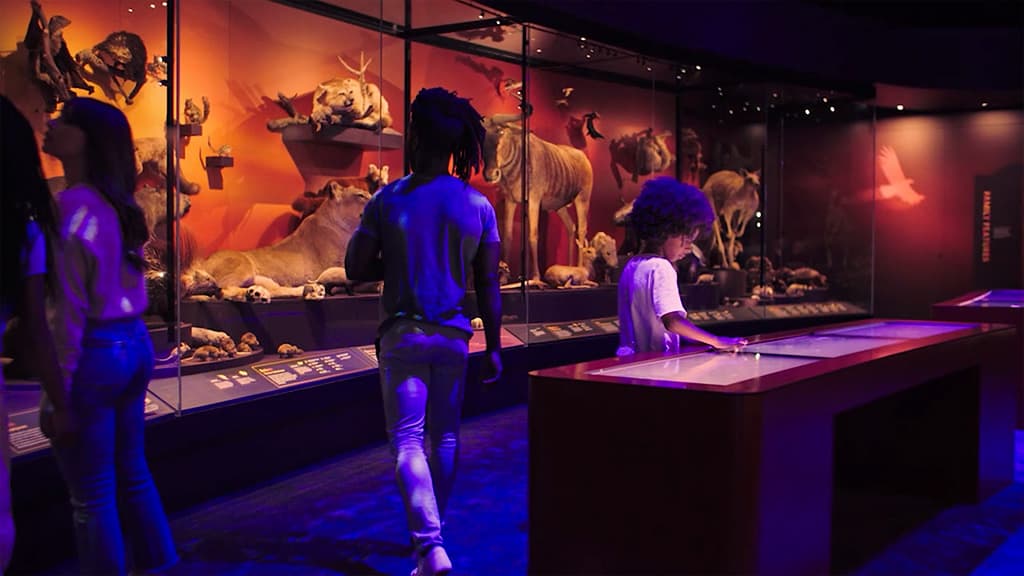
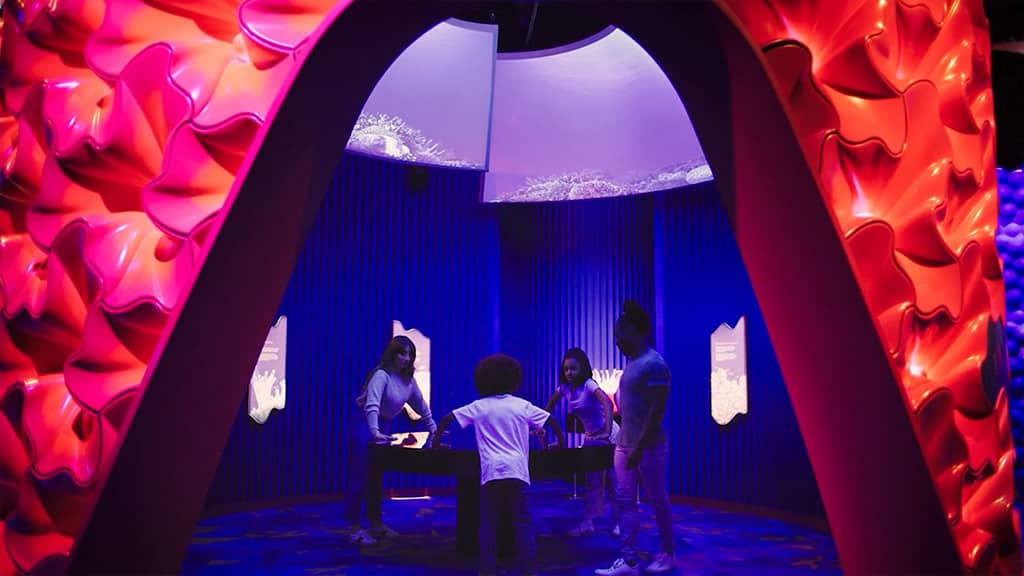
When Museums Victoria set out to create its largest-ever permanent gallery redevelopment, the brief was clear: don’t just display the natural world — make visitors feel part of it. The result is Our Wondrous Planet, an 1,800sqm permanent exhibition at Melbourne Museum that opened in September 2025. The exhibit immerses audiences in four ecosystems — reef, rainforest, ice, and soil — blending over 800 collection specimens, hands-on interactives, First Peoples knowledge, and science into a multisensory journey highlighting Earth’s interconnected systems.
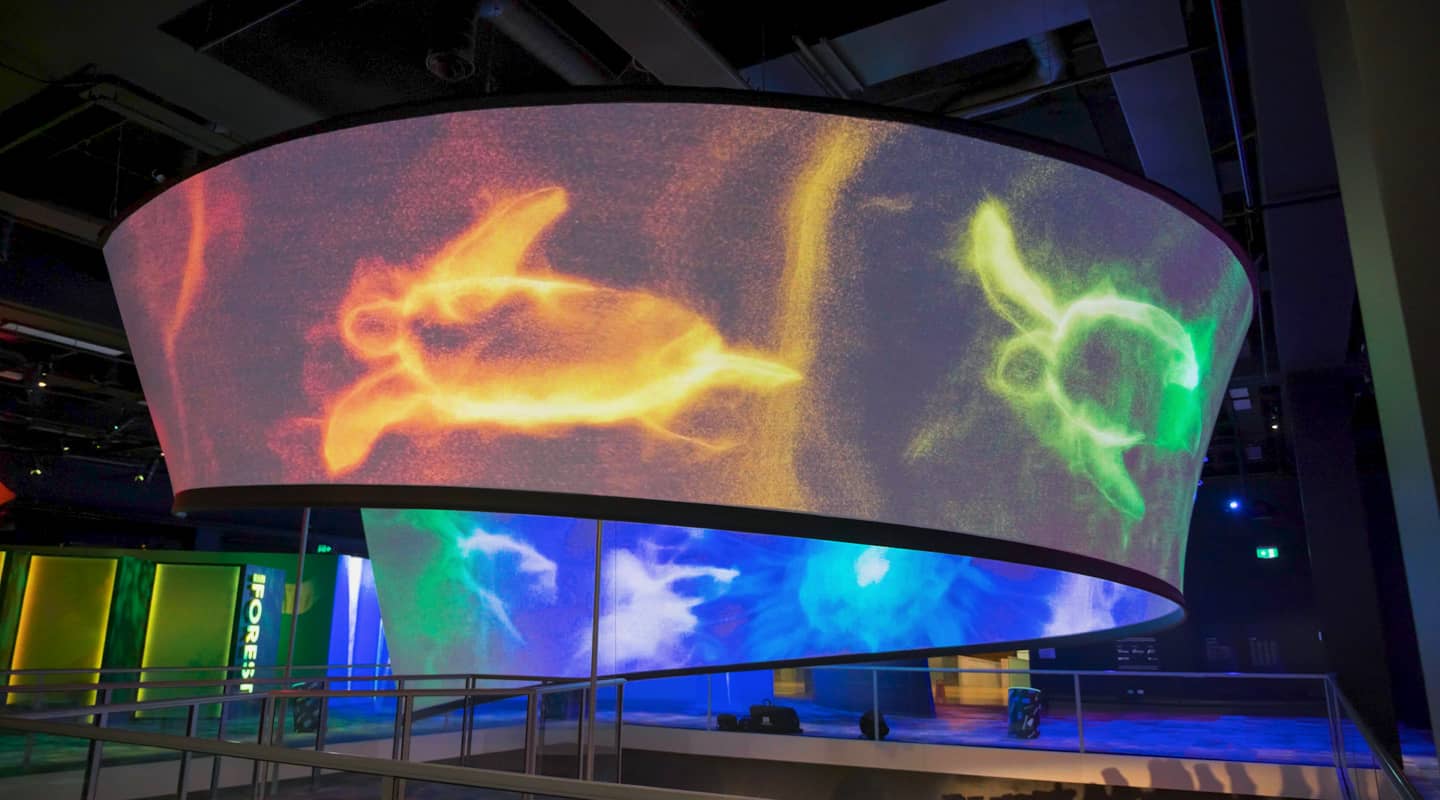
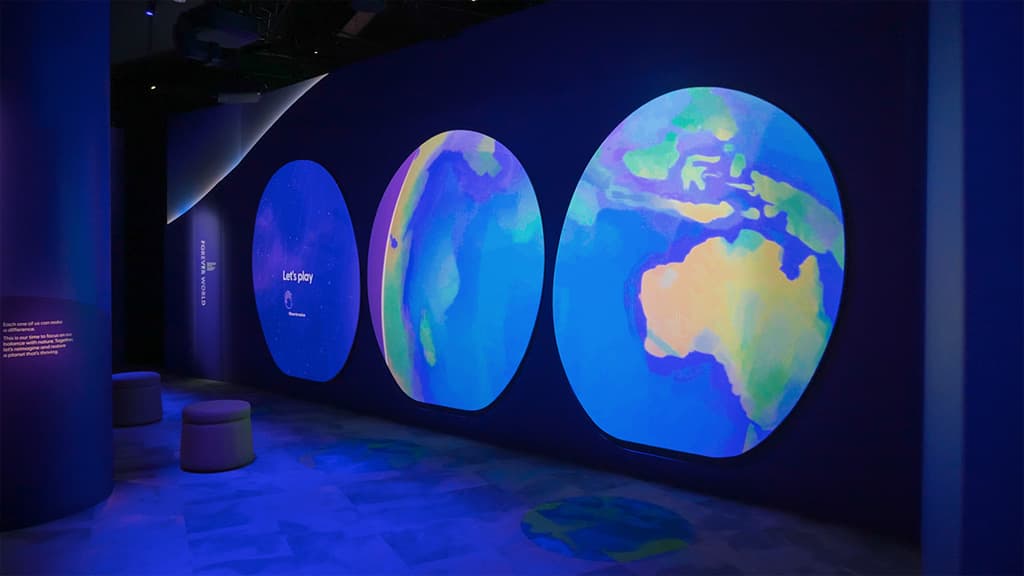
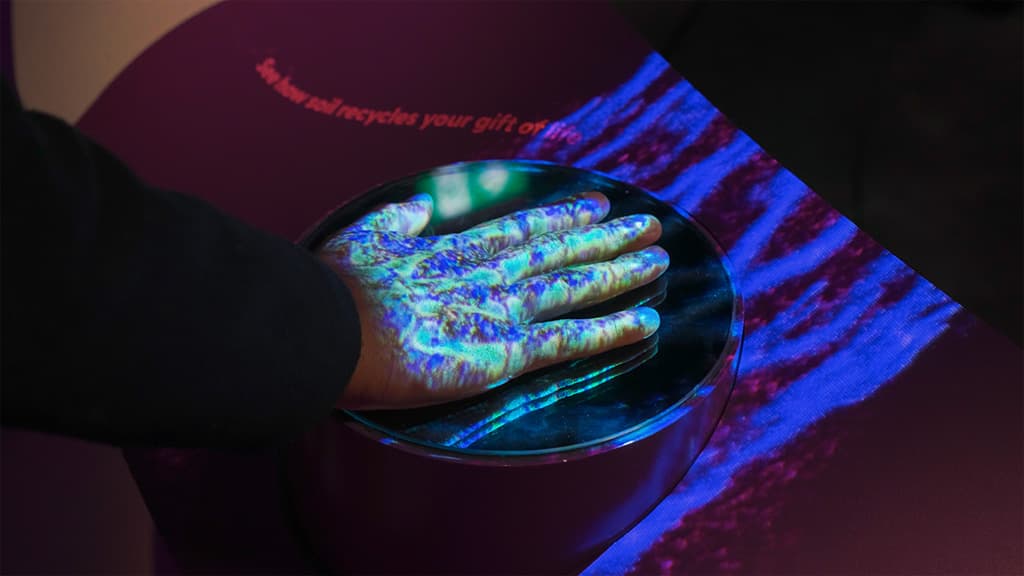
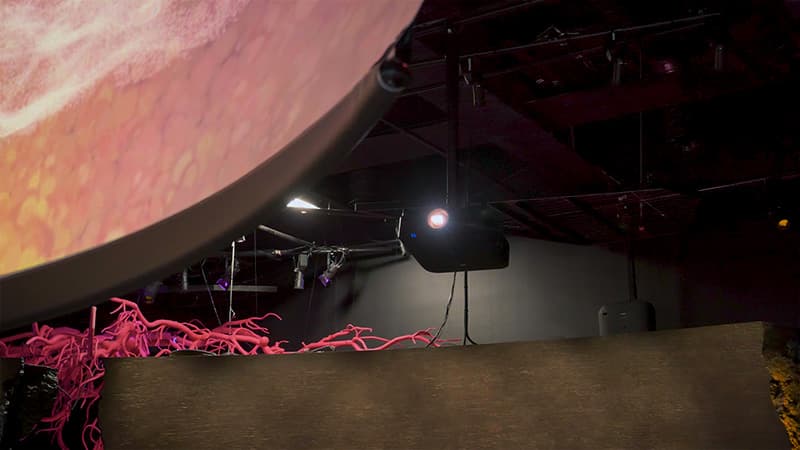
At the heart of this experience is projection technology that transcends traditional video walls. Unique to projection is the ability to inject imagery seamlessly into scenography — portals to distant environments, dynamic elements above, below, and around visitors, in a variety of shapes and on a variety of surfaces
“Projection was definitely important in creating a world that felt like it was living and you were stepping into it,” explains Mike Miller, Technical Services at Museums Victoria. “We wanted to make the projection feel like it was part of the environment.” This approach turns static displays into vibrant, breathing habitats, with projection mapping specialists Light Engine designing the spectacle.
Lumicom, a long-standing integration partner to Melbourne Museum, understands there’s more to a museum installation than screwing projectors into mounts and connecting the cables. Kay Brand, Senior Sales Engineer at Lumicom: “The uniqueness of a Museum deployment is that most of the time we are not projecting onto standard surfaces which means the projection has to be geometry-mapped and blended.”
FRIENDLY ENVIRONMENT
Epson’s range of laser projectors perfectly matched the project’s varied demands. “We chose Epson projectors because of their product range, and because we know they’ve got products that work well in our environment,” says Mike Miller. “Having minimal shadowing and a sharp image are all very important.”
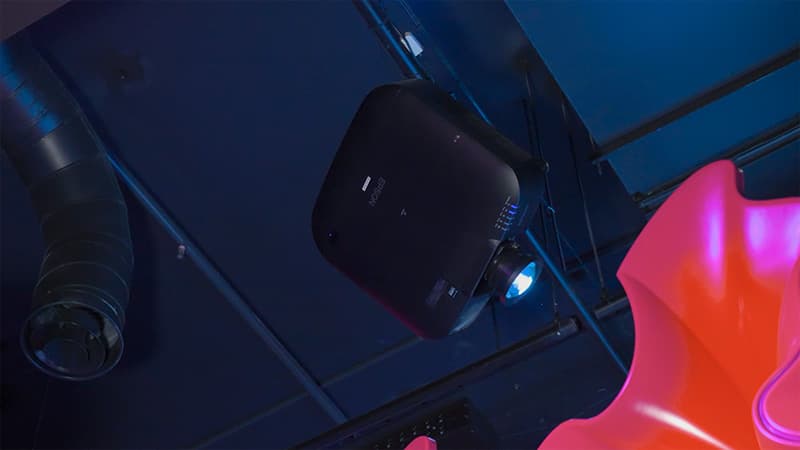
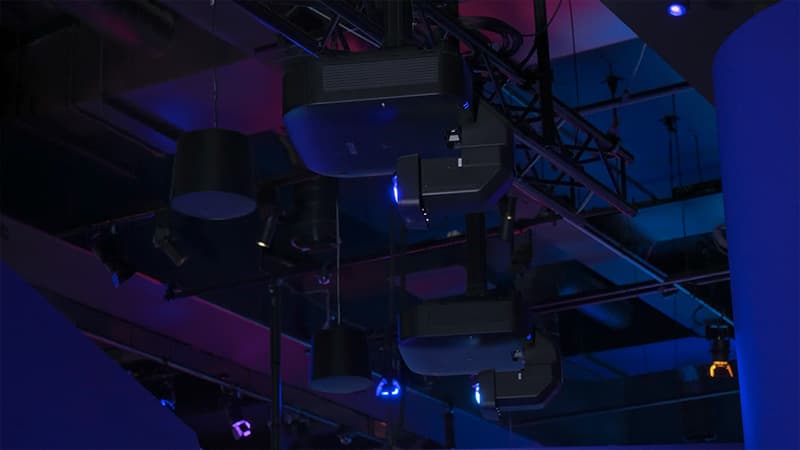
Our Wondrous Planet uses models from Epson’s high-brightness PU range (EB-PU1008BNL, EB-PU2213B and EB-PU2216B), native-4K PQ range (EB-PQ2220B) and several EV-115 models for intimate interactive zones.
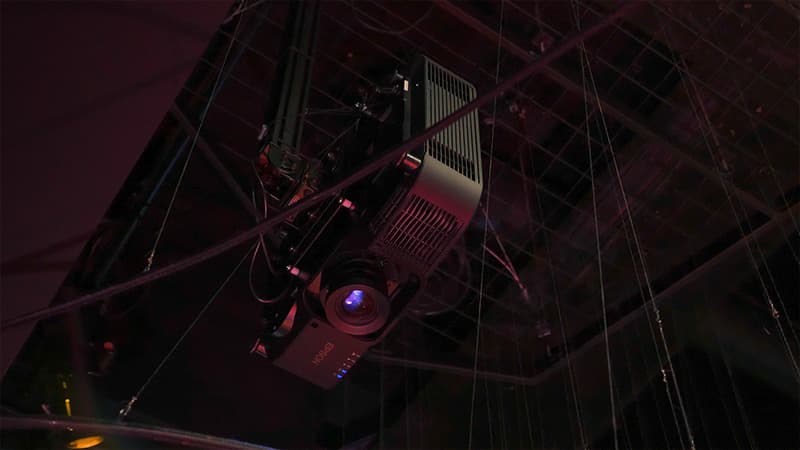
A standout feature for the museum’s dusty, high-traffic environment (think carpeted floors and hundreds of energetic kids daily) was Epson’s hermetically sealed optical path. “Our environment is a very dusty environment, so dust infiltration is something we think about a lot” Miller notes. “The hermetically sealed optical path on the new Epson units was something I really wanted to try out to see how well it handles the hordes of school children running around.” This design dramatically reduces dust ingress on critical components, lowering maintenance frequency and keeping projectors operational longer in challenging conditions.
Kay Brand highlights the flexibility of Epson’s lens options and built-in tools. “We always like to work with Epson,” reflects Kay Brand, “because they have such a variety of projectors and lenses that there’s no project where they are not fit for purpose.” Ultra-short-throw lenses proved particularly valuable for interactive areas, minimising shadows as visitors step close to content. Pre-planning with Light Engine’s 3D modelling, Mapping Matter, and Epson’s own calculators ensured precise coverage on complex, bespoke surfaces. Internal warping, blending, and geometry correction handled irregular shapes efficiently, sometimes in tandem with the media server.
A WHOLE NEW WORLD
The installation was no small feat. With over 40 contractors and tight timelines, coordination was critical. Pre-rigging, millimetre-accurate 3D scans of the gallery, and early Epson stock allocation kept things on track despite the inevitable on-site negotiations. “It’s a very large jigsaw puzzle,” Miller reflects. The payoff, however, is immediate: the first time the system powers up and visitors react with wonder. Colour accuracy was non-negotiable for a science-led institution. Epson’s reliable reproduction ensures coral reefs and rainforest canopies look true to life, with scientists providing final sign-off. This fidelity, combined with robust laser reliability, supports the museum’s heavy ongoing maintenance expectations.
Melbourne Museum’s immersive Our Wondrous Planet exhibit succeeds because technology serves the story. The Epson projectors disappear into the environment to help create a magical sense of stepping into living systems. For Miller, seeing families connect with the messages of interconnectedness and stewardship makes the two-year journey worthwhile. “You get a sense that, okay, I’m actually making a contribution to something worthwhile.” Lumicom’s deep museum expertise and Epson’s versatile, reliable laser range made the vision reality. In a space where every detail counts, this AV integration delivers immersion that educates, inspires, and endures.
Lumicom: lumicom.com.au
Epson: epson.com.au






RESPONSES